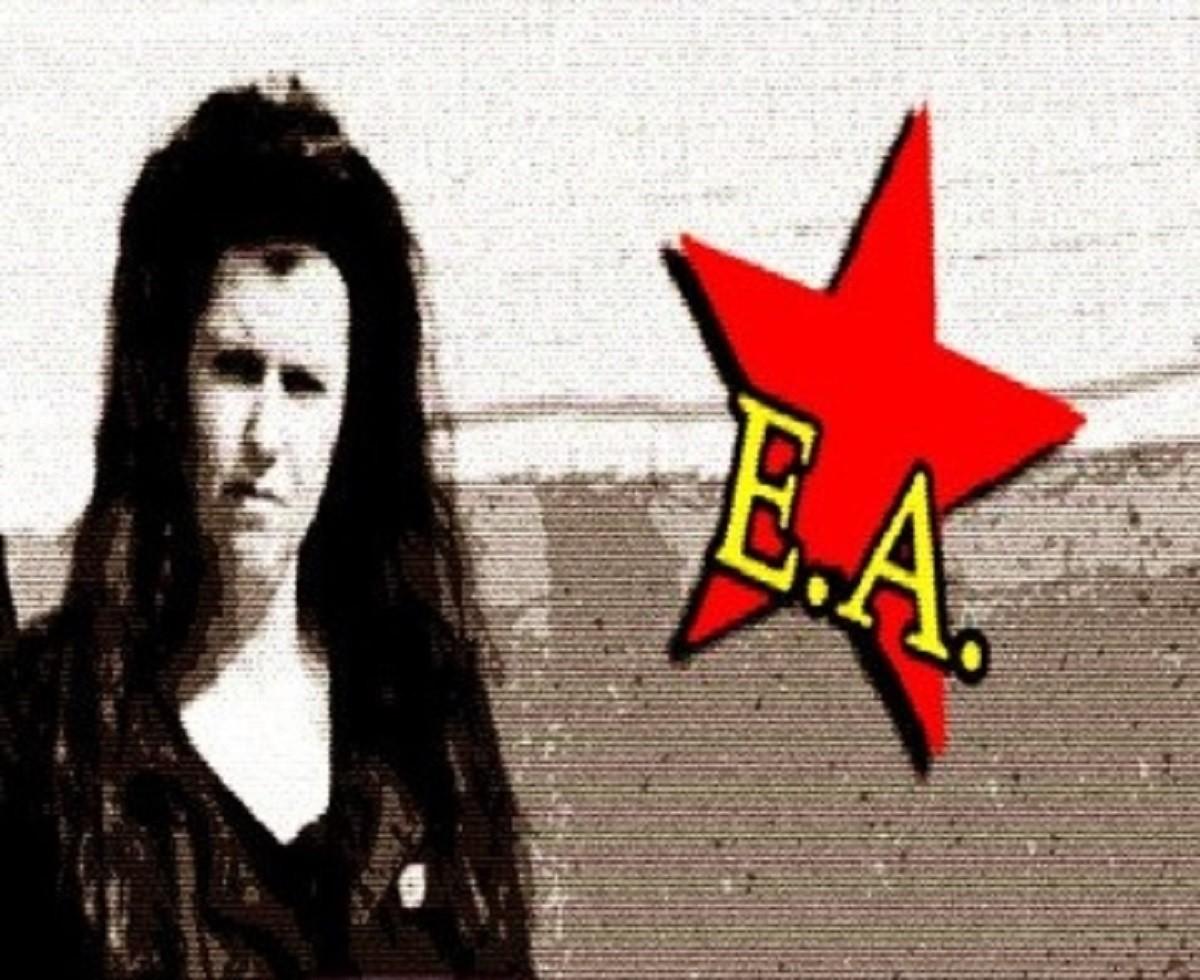

HONOR FOREVER TO THE ANARCHIST –
MEMBER OF THE REVOLUTIONARY STRUGGLE, LAMBROS FOUNTAS
On March 10, 2010, in Dafni, preparations for a major operation by Revolutionary Struggle aimed at sabotaging the enforcement of the “memorandum” were in their final stages. The attempt to seize a vehicle that the organisation would use for this action resulted in a clash with the cops. Comrade Lambros Fountas, our beloved comrade-in-arms in the struggle, was killed. Nothing would ever be the same again.
The Revolutionary Struggle—the struggle to block the “memorandum,” the struggle to overthrow the ruling regime and bring about social revolution—suffered a severe blow. The organisation had publicly stated that it anticipated the Greek state’s bankruptcy as a consequence of the 2008 global economic crisis and had demonstrated the scale of its actions, primarily through the bombing of the stock exchange in September 2009. It had spoken of its goals and the opportunities that the economic crisis and the widespread delegitimisation of the political and economic system during that period would open up. It had publicly declared that the only way out of the crisis would be a Social Revolution.
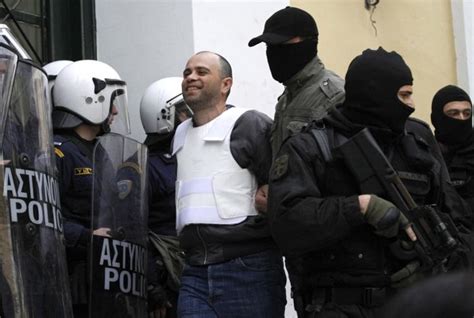
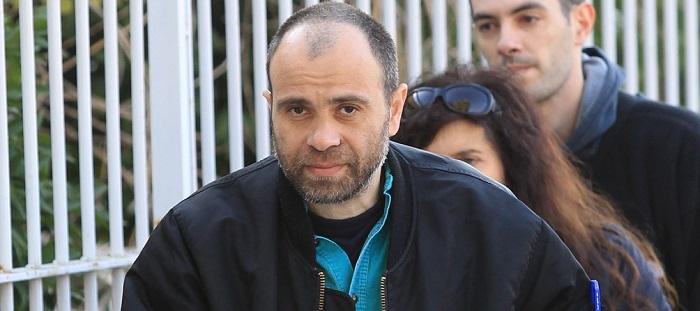
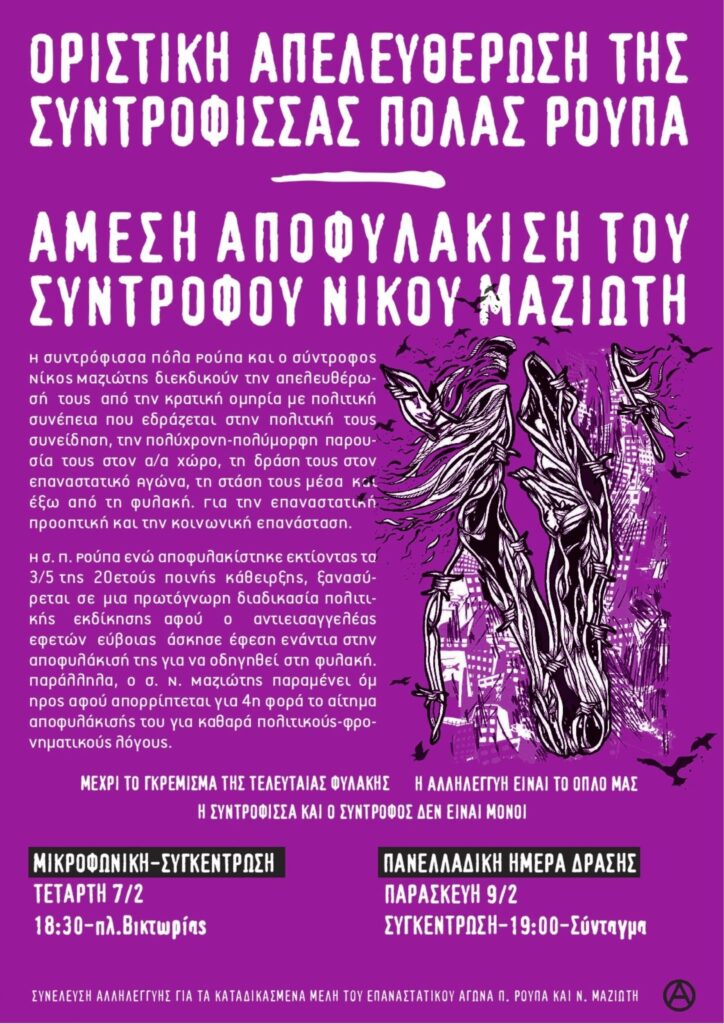
A month later, the first crackdown against the organisation took place, along with the arrests.
The death of our comrade was a very significant event. It was significant not only for us, his comrades in Revolutionary Struggle, and not only for the anarchist movement in which he had been actively involved for many years and was particularly beloved by all his comrades. It was not only significant for Revolutionary Struggle, whose activities had been frozen for two years.
Above all, it was significant for the overwhelming majority of society, which was mercilessly battered by the devastating storm of loan agreements. Lambros was an integral part of a strategy of armed action that unfolded with the onset of the economic crisis and sought, through strikes of great political and economic significance, to prevent the political and economic system—which at that time was in a state of great instability and deep crisis—from regaining its stability. Continue reading “Greece: Eternal Honour to the Anarchist—Member of the Revolutionary Sruggle, Lambros Fountas”